
Face Doctors
Treatment
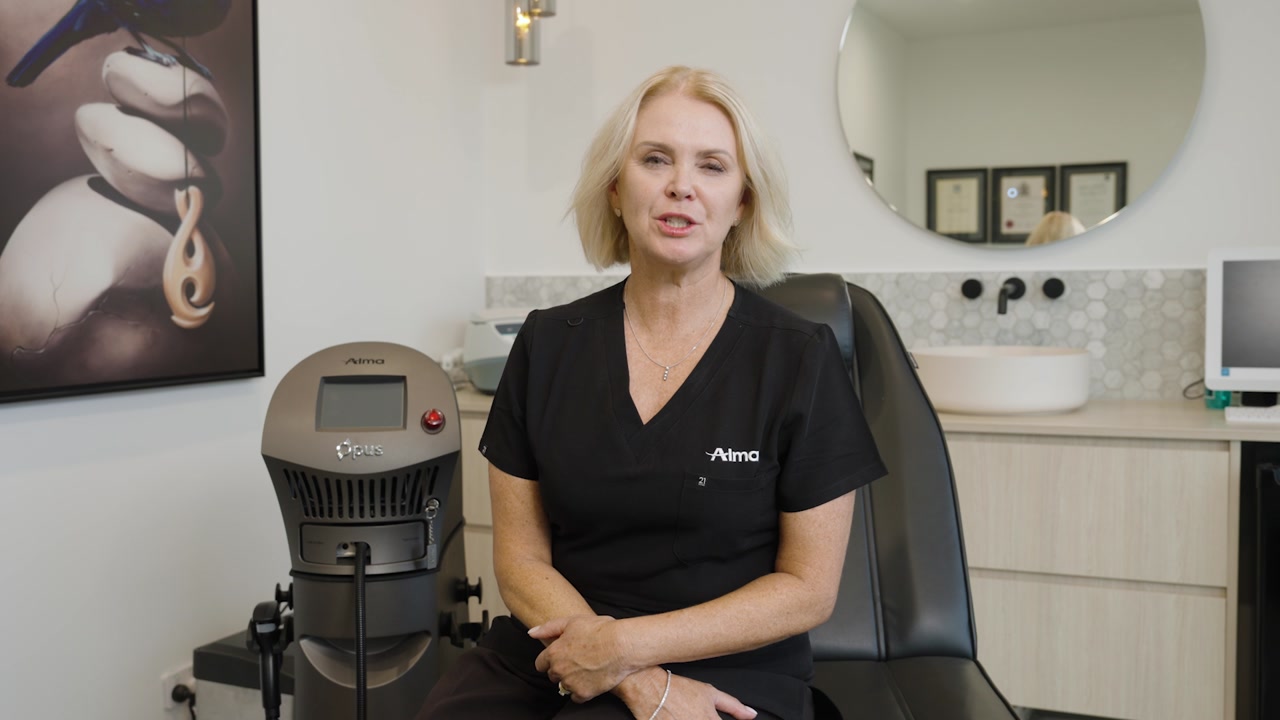
Acne, medically known as Acne Vulgaris, is a skin disease that involves the oil glands at the base of hair follicles. It commonly occurs during puberty when the sebaceous (oil) glands come to life. The glands are stimulated by male hormones (androgen), produced by the adrenal glands of both males and females. It can also be an ongoing affliction from puberty and lasting many many years after or may just develop seemingly randomly at certain stages of life e.g. menopause, pregnancy or stressful times and is usually due to changes in hormones levels.
Acne is not dangerous, but can leave skin scars. Human skin has pores (tiny holes), which connect to oil glands located under the skin. The glands are connected to the pores via follicles – small canals. These glands produce Sebum, an oily liquid. The Sebum carries dead skin cells through the follicles to the surface of the skin. A small hair grows through the follicle out of the skin. Pimples grow when these follicles get blocked, resulting in an accumulation of oil under the skin.
Simply put – skin cells, Sebum and hair can clump together into a plug, this plug gets infected with bacteria, resulting in a swelling. A pimple starts to develop when the plug begins to break down. Pimples tend to appear on the face, back, chest, shoulders and neck.


Nobody is completely sure what causes acne. Experts believe the primary cause is a rise in androgen levels – androgen is a type of hormone. Androgen levels rise when a human becomes an adolescent. Rising androgen levels make the oil glands under your skin grow and then the enlarged gland produces more oil. Excessive Sebum can break down cellular walls in your pores, causing bacteria to grow.
Some studies indicate that susceptibility to acne could also be genetic. Some medications, which contain androgen and lithium, may cause acne. Greasy cosmetics may cause acne in some susceptible people. Hormone changes during pregnancy may cause acne to either develop for the first time, or to recur. Menopause cause huge hormone changes in the body and acne can be linked to these changes.
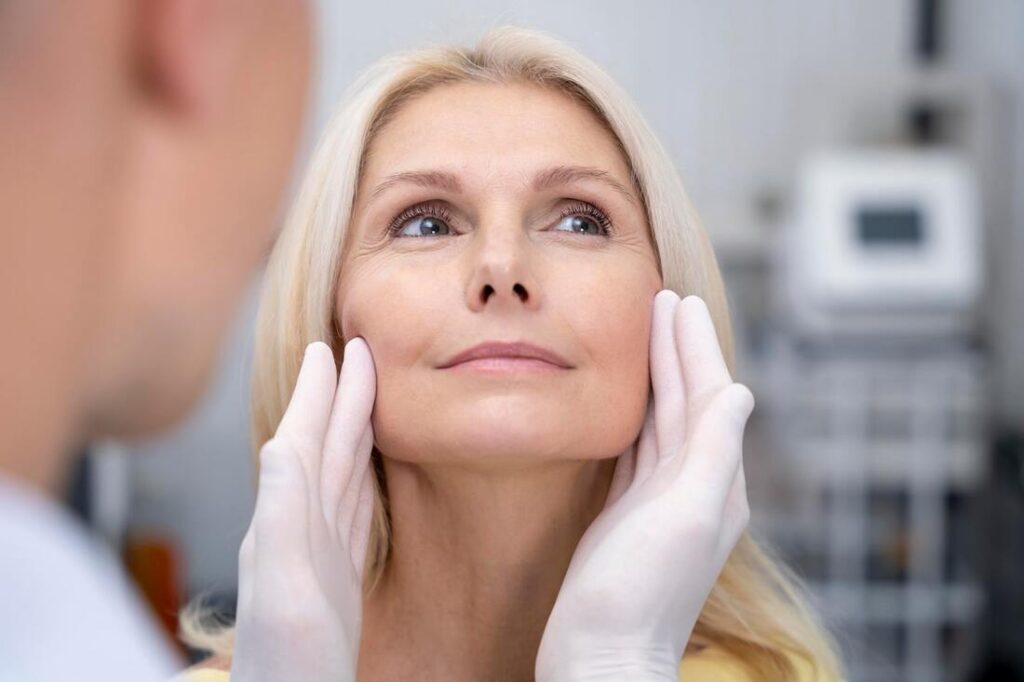
This helps break down blackheads and whiteheads, also reduces shedding of cells, which line the follicles of the oil glands, they are also effective in treating inflammation and swelling. Salicylic acid is a white crystalline substance, which is applied during a peel procedure. It causes the epidermis to shed skin more easily, prevents pores from becoming blocked while at the same time allowing room for new cells to grow.
Ideal for oily congested skin, acne skin conditions and enlarged or blocked pores, this facial has the powerful skin renewal action of clinical strength beta hydroxyl acids, to rid follicles of accumulated impurities, and deep cleanse away the stale oils that lead to acne.
By lifting away the accumulated layers of dead skin it will ultimately cleanse and rid clogged follicles of accumulated impurities and oils that form acne and at the same time help to minimize pore size.
The majority of women with acne find that taking certain Oral Contraceptives (the pill) clears it up. Oral contraceptives suppress the overactive gland and are commonly used as long-term treatments for acne in women. If the woman has a blood-clotting disorder, smokes, has a history of migraines, or is over 35, she should not take this medication without checking with a gynecologist first.
Topical retinoids are a derivative of Vitamin A and are very popular for the treatment of acne. They unclog the pores and prevent whiteheads and blackheads from developing.
Laser Light Therapy known, as red and blue light therapy can be very helpful in the treatment of acne. New technology devices combine blue light with red light therapy. After the blue light kills the bacteria, the red light speeds up the healing of the skin, reducing acne scars and preventing new ones.

Even without picking or squeezing, acne lesions particularly cysts, can lead to scarring because of the intense, collagen-damaging skin inflammation, with which they are associated. There are a number of different procedures that can help with older scarring and new scars as well. Acne scars develop in areas where former cystic blemish lesions have been present. People with deeper skin tones may also notice darkening (or hyperpigmentation) within the scars, while people with lighter skin tones may show redness (or erythema) within the scars
Acne scars come in three varieties:
A course of Salicylic Peels can amazingly help with scaring. By causing the epidermis to shed skin more easily and faster this in turn promotes an increase of cell turn over which increases the production of collagen and elastin that then promote the growth of new smoother, fresher skin.
A course of Microdermabrasion can help but only the lightest forms of acne scaring. It is a non-invasive process that is based on the principles of exfoliation, the removal of dead skin particles leaving your skin smoother and more evenly textured. It will increase cell turn over which in turn increases the production of collagen and elastin to help promote the growth of new skin, but only on quite a shallow level and not as deeply as either Peels or Dermal rolling.
A course of Dermal rolling can greatly reduce acne scarring. By rolling the affected areas with a dermaroller, the natural process of skin renewal is activated. By stimulation it promotes the collagen and elastin production, the areas where the acne scars appear will begin to plump and smooth out, creating an improved smoother skin surface.
Filler injections can prove beneficial at filling in the indentations left behind from deep acne scars.
Please note this does not confirm your booking. We will get in touch with you to confirm your appointment time.
By submitting this form you will be signed up to the Face Doctors Clinic Newsletter. We respect your privacy and you can unsubscribe at anytime.
Please note we have allocated client parking, all unauthorized vehicles may be clamped or towed at owners expense. Clamping proceeds will be donated to monthly charity of our choice.